Keyword research services identify the words and questions your customers type into search engines. Digital Meeta groups those searches by intent, reviews your competition and maps each term to a page, so your SEO work targets traffic that can become leads and sales.
By Muhammad Adnan Ikram, Founder and SEO Expert at Digital Meeta
Ranking for the wrong terms brings visitors who never buy. High search volume alone does not make a keyword valuable, because intent and competition decide whether it can actually help your business.
We combine data from professional SEO tools with a close look at the live search results and your sales goals. You receive a clear plan showing which terms to target, which page should own each one and what to create next.
For official guidance, see the Google guidance on helpful content.
Keyword research shows you what customers want before you spend money creating content. It reveals the language buyers use, the concerns they have and which services they compare, which can improve your website, sales conversations and advertising.
Good research separates people who are learning from people who are ready to buy. Educational searches suit guides and FAQs, while commercial searches belong on service and product pages. Mapping each group correctly helps visitors land on the page that fits their needs.
Common keyword research mistakes include choosing terms by volume alone, ignoring competitors, targeting phrases that do not fit your services and never updating the list. A useful keyword strategy is reviewed regularly, because search behavior, competitors and your own priorities change over time.
Question-based keywords also guide our AEO services and help shape useful FAQs. See examples of our work on the results page.
Our approach
We start with your business, not a tool. Conversations about your best customers, most profitable services and common sales questions reveal language that keyword databases often miss.
We then expand those ideas using professional SEO platforms and your own Search Console data, which shows the queries already bringing people to your website. Competitor research adds terms your rivals rank for and exposes content you do not yet have.
Each promising keyword is checked against the live results page. A term with attractive numbers may be dominated by huge brands or show the wrong type of page for your business. After that review, we group related searches into clusters so a single page can target a complete topic, rather than creating a separate thin page for every variation.
What is included
We find the terms customers use at each stage of their decision.
We sort keywords by informational, commercial and transactional intent.
We uncover valuable terms your competitors rank for and you do not.
We group related terms so one strong page can cover a whole topic.
We assign every target cluster to an existing or new page.
We turn the research into a prioritized publishing plan.
Common issues
Broad keywords can look impressive but attract the wrong audience. We focus on searches connected to revenue.
Without a map, pages drift and overlap. We give each topic one clear home.
Specific searches often convert well and face less competition. We find the valuable ones.
Competitors may not be targeting the right terms either. We test every idea against your own goals.
Who it is for
How we work
Step 1
We learn your business and run a full SEO and website audit.
Step 2
You get a roadmap with priorities, timelines and goals.
Step 3
We fix issues, improve content, earn links and build fast sites.
Step 4
Monthly reports on rankings, traffic and leads guide the next move.
Your finished research is delivered as a clear document showing each topic cluster, its intent, the page it belongs to and its priority. You will know what to optimize first and what to create next.
Search data is an estimate, and tools can disagree. We treat volume as one signal and put more weight on intent, relevance and what is realistically achievable for your website today.
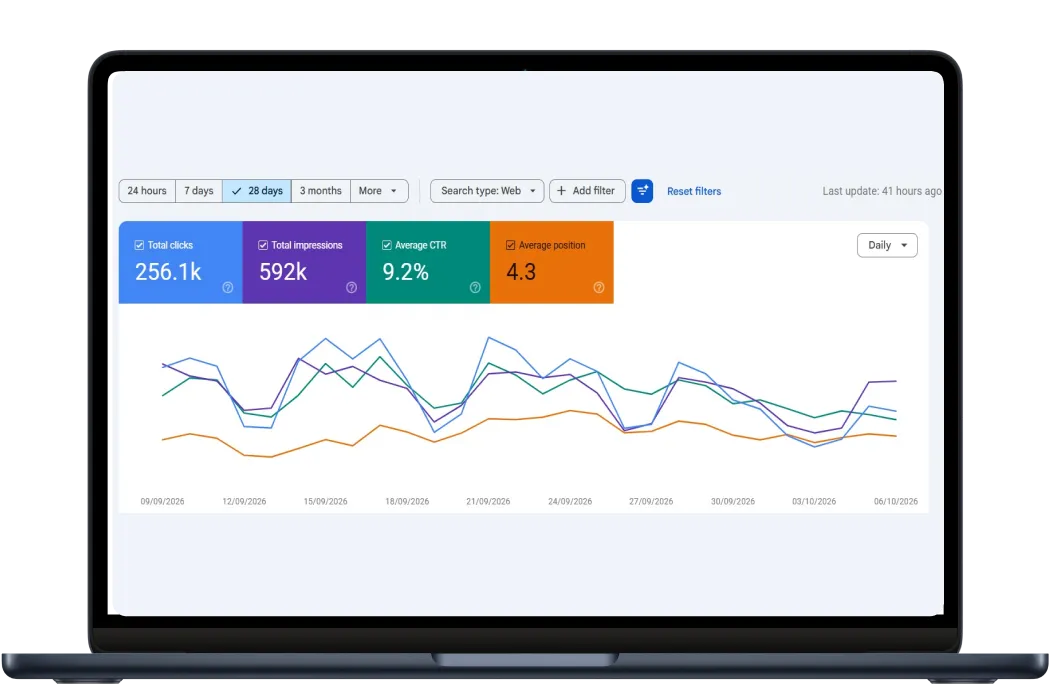
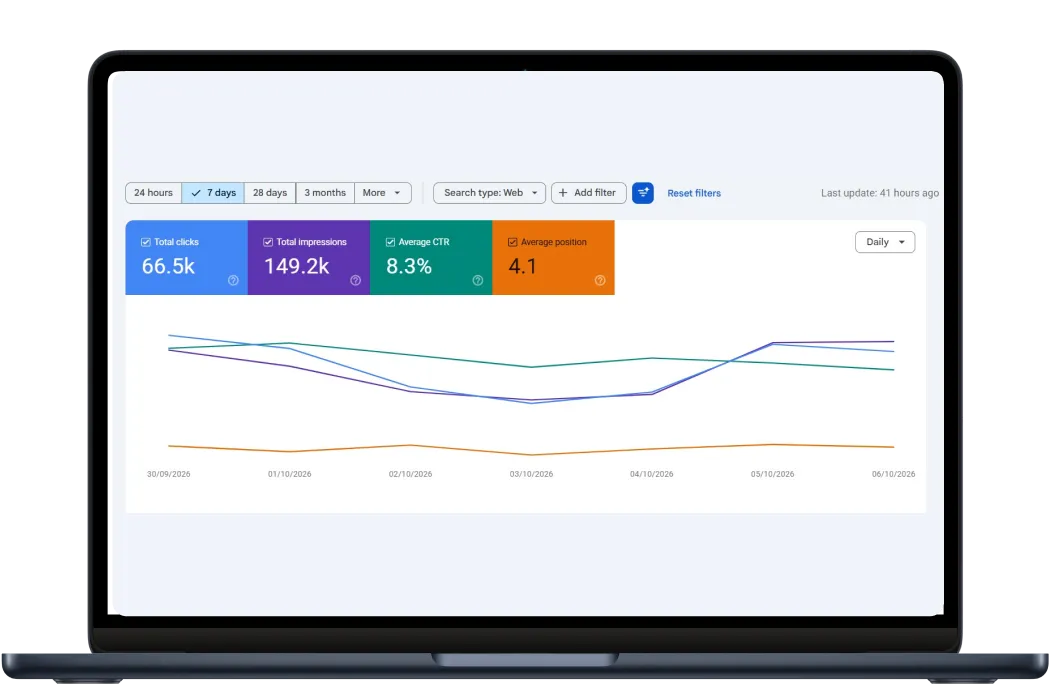
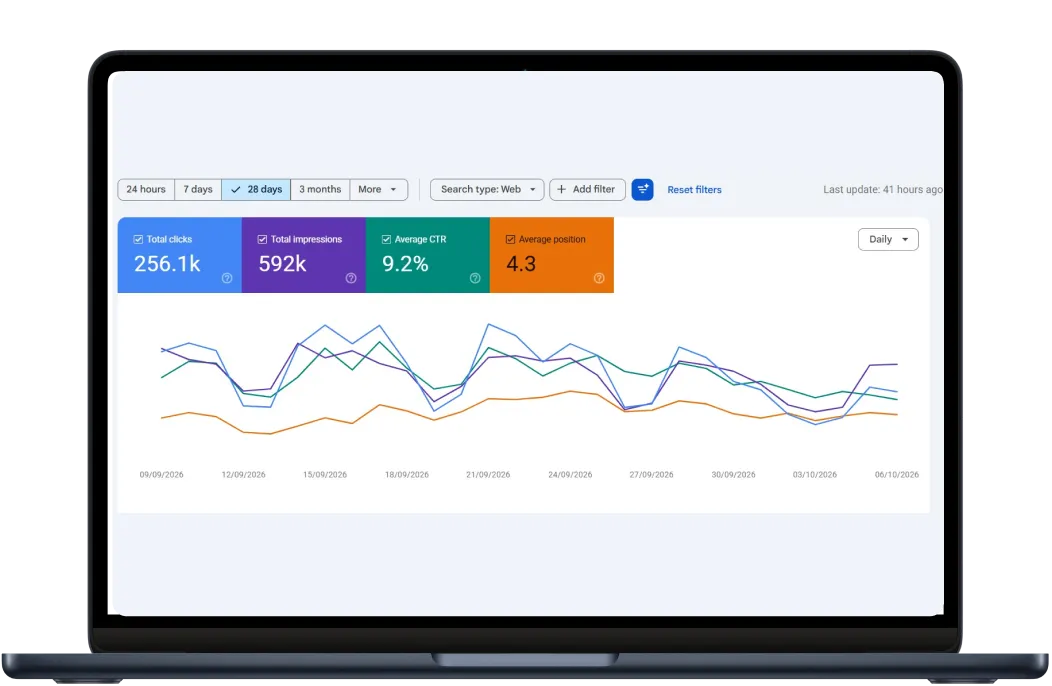
Related results
Related services
On-page SEO services improve the content and HTML of each page so it matches what people search for.
SEO audit services give you a complete review of why your website does or does not perform in search.
Local SEO services help your business appear when nearby customers search on Google and Google Maps.
FAQ
Keyword research is the process of finding and analyzing the terms people search for, then choosing the ones that best match your business, audience and ability to rank.
We weigh buyer intent, relevance, search demand, competition and your website’s current authority. A smaller keyword with strong buying intent often beats a broad one.
You receive a prioritized list of keyword clusters, the page mapped to each cluster, competitor gaps and a content roadmap.
Review it at least once or twice a year, and whenever you add services, enter a new market or notice search behavior changing.
Long-tail keywords are longer, more specific searches. They usually have lower volume but clearer intent, which can make them valuable for smaller businesses.
Search intent is the goal behind a query, such as learning something, comparing options or making a purchase.
Yes, if they share the same intent. A strong page can rank for many closely related terms.
There is no single best keyword research tool. Google Keyword Planner and Search Console are useful free sources, while Ahrefs, Semrush and Moz add difficulty scores and competitor data. Human review of the live results is still essential.
Yes. AI can suggest keyword ideas quickly, but it cannot confirm real demand or know your margins. Keyword research still needs search data, a review of current results and knowledge of your business.
Each page should target one main topic and its close variations. A strong page can rank for many related keywords when they share the same search intent.
Share your website and goals. A real person reviews your search visibility and replies within one business day.
info@digitalmeeta.com
We use your details only to respond to your enquiry. Read our Privacy Policy.
Get a free review of your website and a clear plan to rank higher and win more customers.

SEO and web development that wins customers. We help businesses rank higher on Google and turn visitors into leads and sales.
Follow Us
Company
Services
Contact Us